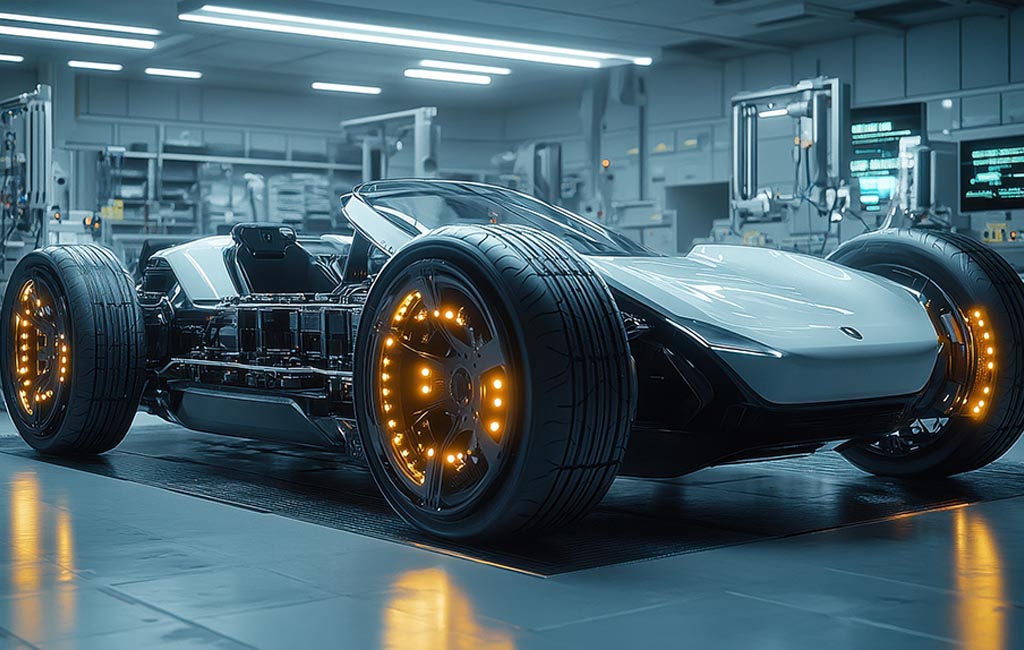
Robotic and vehicular technologies are converging to redefine how we manufacture, operate, and interact with vehicles.
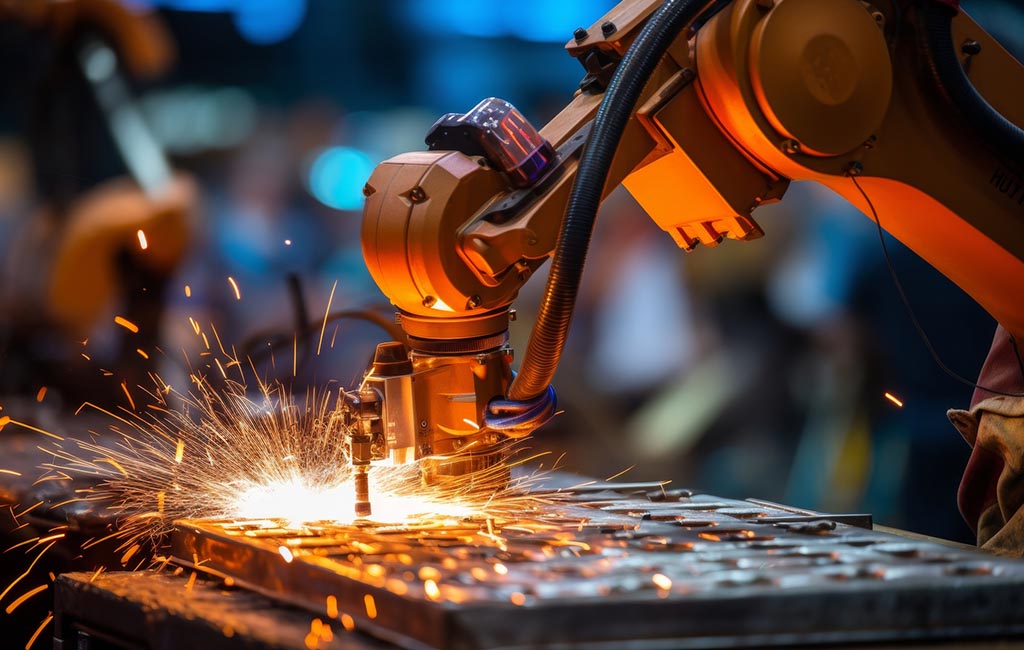
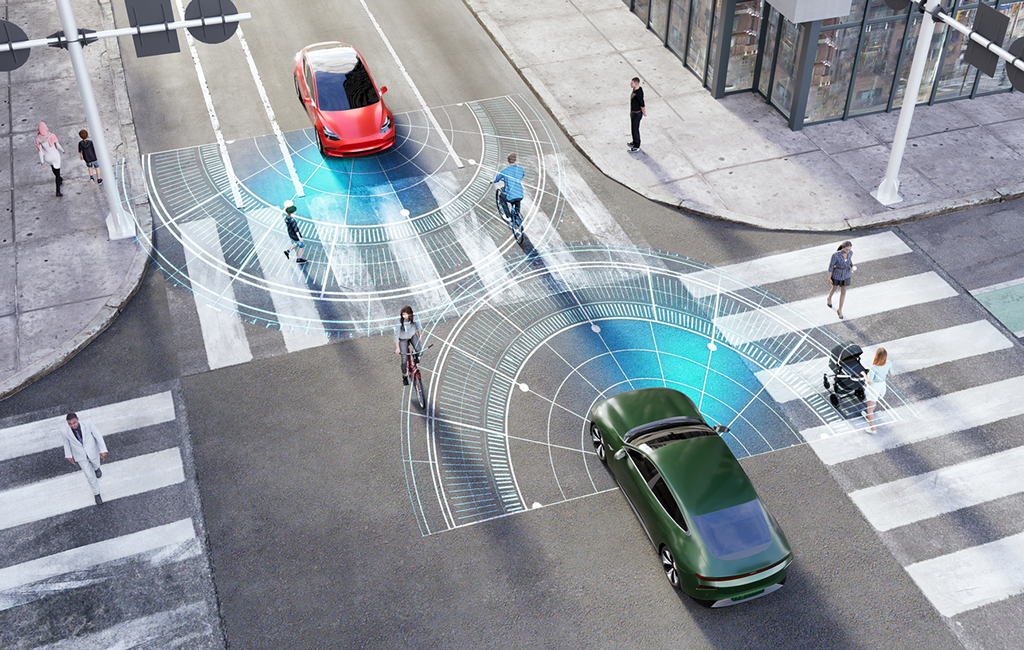
This convergence enhances productivity on factory floors through automated assembly lines, enables safer, more efficient autonomous navigation in commercial and consumer vehicles, and facilitates specialized mobility solutions for sectors such as healthcare, agriculture, and logistics.
The integration of robotics and vehicles requires navigating a complex landscape of technical, regulatory, and ethical hurdles. Technical challenges include developing advanced perception systems, robust artificial intelligence for real-time decision-making in unpredictable environments, and overcoming hardware limitations such as battery life and sensor durability. Regulatory considerations involve ensuring compliance with evolving safety standards, data privacy laws, and transportation regulations. Ethical issues encompass the societal impact of automation on employment, responsibility in the event of accidents, and ensuring equitable access to these technologies.
Cybersecurity is also a critical concern, as increasing connectivity exposes vehicles to potential hacking and data breaches.